In a statement issued on Saturday, the police confirmed that the intense downpour triggered widespread flooding across many estates in the capital, destroying property, displacing residents, and forcing the closure of several major roads. Authorities said emergency teams were still responding to distress calls and conducting search and rescue operations in affected areas as the situation continues to unfold.
According to the police, the floods have caused extensive damage in residential areas that are often vulnerable during heavy rains. Informal settlements and low-lying neighbourhoods experienced some of the worst effects as rising water levels inundated homes and swept through streets, leaving families stranded and forcing others to flee to safer ground.
Among the hardest-hit areas are Mukuru, Kibra, Mathare, Huruma, South B, South C, Pipeline in Embakasi, Roysambu, Kahawa West, Githurai, and parts of Westlands. Many residents in these areas reported water entering their homes in the middle of the night as the rain intensified.
Rescue teams from multiple government agencies worked through the night and into Saturday morning to reach those trapped by floodwaters. According to the police statement, at least 29 people were successfully rescued during coordinated operations.
“Twenty-nine people were successfully rescued from various locations and are receiving the necessary support,” the statement read in part.
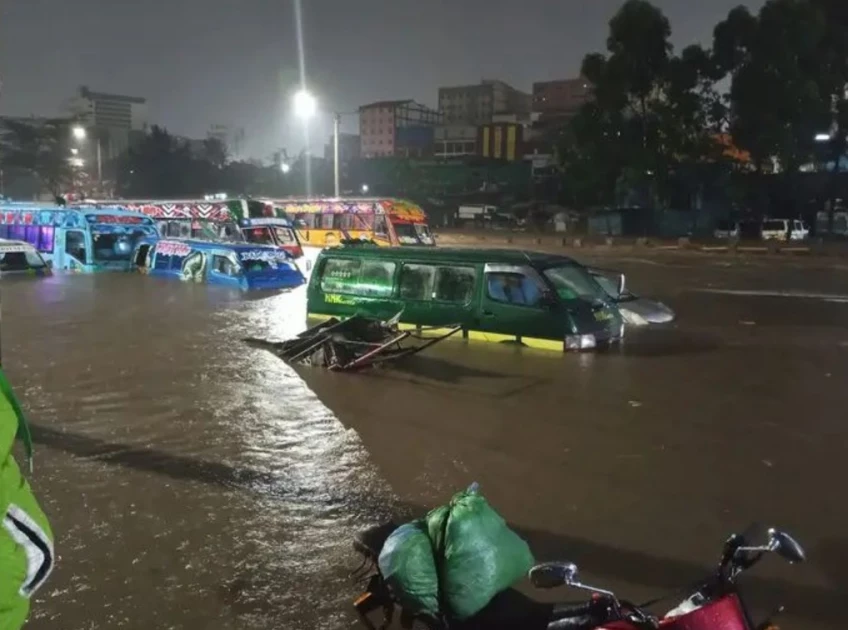
Authorities said the rescue efforts involved collaboration between police officers, disaster response teams, and other emergency agencies tasked with responding to the flooding. Boats and emergency equipment were deployed in some of the worst-affected neighbourhoods where water levels made access difficult.
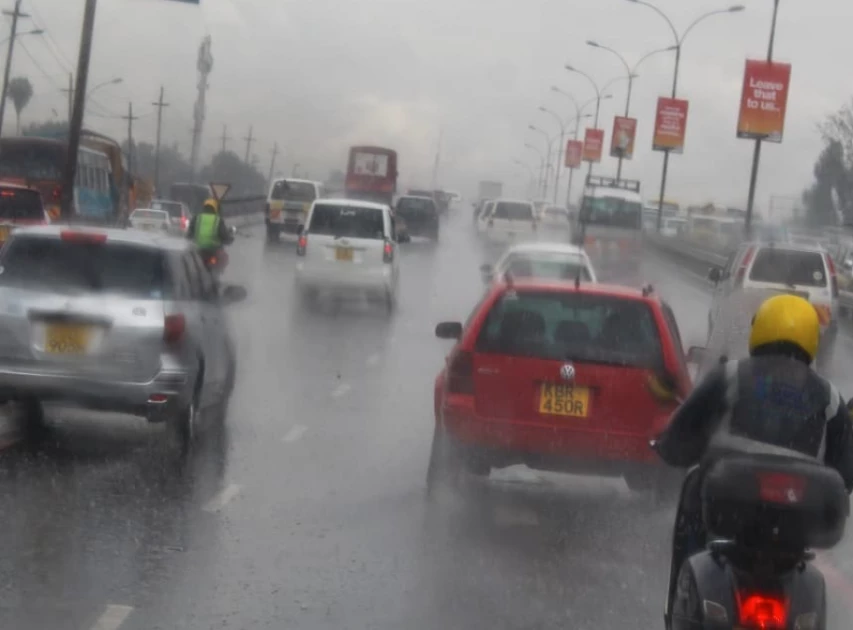
The heavy rainfall also caused major disruptions to transportation across the city. Several key roads were rendered temporarily impassable as floodwaters submerged sections of highways and streets, bringing traffic to a standstill in multiple locations.
Some of the most affected roads included sections of Uhuru Highway, Mombasa Road, Jogoo Road, Enterprise Road, Lang’ata Road, and the busy Thika Superhighway.
Motorists experienced long delays as vehicles struggled to navigate flooded sections, while traffic police were deployed to manage movement and prevent accidents. In some areas, drivers were forced to turn back or wait until water levels subsided before continuing their journeys.
Residents in several estates described scenes of panic as rising waters caught many people off guard. Some families were forced to evacuate their homes late at night, carrying only a few belongings as they sought higher ground.
In informal settlements such as Mukuru and Mathare, where drainage systems are often inadequate, floodwaters quickly filled narrow pathways and homes, worsening the impact of the disaster.
Emergency responders say the situation was made more challenging by the intensity and duration of the rainfall, which overwhelmed drainage infrastructure in several parts of the city.
The National Police Service said its officers remain fully deployed to assist affected communities and support ongoing rescue operations.
“Response teams remain on the ground and continue to respond to distress calls from residents while conducting further search and rescue operations,” the police said.
Authorities have also urged the public to remain cautious as heavy rains continue to be reported in parts of the capital and surrounding areas.
Motorists have been advised to avoid flooded roads, observe traffic rules, and follow instructions issued by emergency officials and traffic police.
Residents living in flood-prone areas have also been encouraged to remain alert and seek safer ground if water levels begin to rise.
Flooding is a recurring problem in Nairobi during periods of intense rainfall, particularly in densely populated neighbourhoods with poor drainage systems and informal housing structures built along riverbanks or low-lying land.
Urban planners and environmental experts have repeatedly warned that rapid urbanisation, blocked drainage channels, and encroachment on riparian land have increased the city’s vulnerability to flash floods.
In many parts of the capital, drainage systems are frequently clogged by waste, preventing rainwater from flowing freely and causing it to accumulate on roads and residential areas during heavy storms.
Local leaders and disaster management authorities have in the past called for stronger measures to improve drainage infrastructure and relocate residents living in high-risk flood zones.
For now, emergency teams continue to assess the extent of the damage caused by the latest flooding while offering assistance to affected families.
Officials say further updates will be issued as rescue teams continue their operations and more information becomes available about the full impact of the disaster.
The tragedy has once again highlighted the growing risks posed by extreme weather events in urban areas and the urgent need for long-term solutions to reduce the impact of flooding on vulnerable communities.